
What is the Deal with Ultra-Processed Foods?
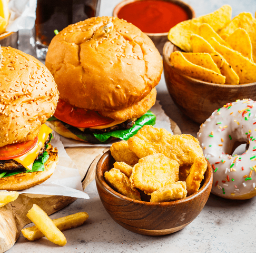
If you're buying what most Americans buy at the grocery store, about 60% of your cart is probably ultra-processed food. And before you feel guilty—this isn't a you problem. It's a food system problem.
What are they? Ultra-processed foods are industrially formulated products made mostly from substances extracted from foods—think ingredients you wouldn't find in a home kitchen. According to Harvard Health and Johns Hopkins Medicine, these include soft drinks, packaged snacks, instant noodles, and many ready-to-eat meals.
Why the concern? Research from institutions like Stanford Medicine and Yale School of Public Health links high consumption of ultra-processed foods to increased risk of obesity, type 2 diabetes, cardiovascular disease, and even some cancers. A study published in Nature found these foods are often engineered to be hyper-palatable, making it easy to overeat.
Here's what matters: Not all processing is bad. Frozen vegetables are processed. So is yogurt. The issue is foods with long ingredient lists full of additives, artificial flavors, and preservatives that displace whole foods from your diet.
Your practical move: Don't aim for zero ultra-processed foods—that's unrealistic. Instead, gradually shift the balance toward more whole foods: fruits, vegetables, beans, whole grains, nuts, and minimally processed proteins.
Small shifts, not perfection.
Sources:
Suggested reading: Ultra-Processed People by Dr. Chris van Tulleken (scientist's investigation into what these foods do to our bodies)